How Long is BLS Class? Know the Details of the BLS Certification Course

When your days are already packed with high-stakes decisions and patient care, your time matters. If you’re asking what the duration of a Basic Life Support (BLS) class is, you’re probably trying to plan around a very full schedule. Knowing what to expect upfront makes it easier to plan and prepare so you can make the most of this essential medical training.
Thank you for taking the time to complete this form.
How Long Are BLS Certification Classes
How long a BLS class takes can vary for many reasons; however, most BLS classes take between 3 and 5 hours to complete.
An initial BLS certification usually takes a bit longer, especially for first-time learners who need more hands-on practice and instructor guidance. BLS renewal courses are often shorter (closer to 2 to 3 hours) since they focus on refreshing and validating skills you already use in your work.
The exact length of an individual BLS class can vary based on how the course is delivered, your background, and how much hands-on practice is required to meet certification standards.
Factors for the Length of BLS Classes
Several practical factors influence how long your BLS class will take. These include:
Time Commitment
Some courses are designed to be completed in one focused session, while others allow you to move through portions of the material at your own pace. Either way, BLS classes are structured to be efficient without cutting corners on critical skills.
Difficulty Level
Learning proper compression depth, timing, ventilation, and team-based response takes repetition. The more time spent practicing, the more confident you’ll feel when it matters.
Taking the Exam and Skills Assessment
BLS certification includes both knowledge checks and hands-on skill validation. Demonstrating CPR, AED use, and choking relief helps you prepare for real-world emergencies.
Course Format
In-person courses typically take longer due to extended hands-on instruction and live feedback. Blended courses combine online learning with a shorter in-person skills session.
Online coursework allows you to complete learning modules at your own pace. You can review and download material anytime, and are able to take the certification exam multiple times if you need to.
Healthcare Experience
Healthcare professionals and experienced renewals often move through BLS training more efficiently because the concepts, terminology, and emergency workflows are already familiar. Prior exposure to CPR, AED use, and team-based response in a hospital helps skills come back quickly with practice.
First-time learners may need additional time to complete this education and to repeat hands-on skills, and that’s completely expected. BLS training is intentionally designed to support both groups, so every learner leaves adequately prepared.
What is a Basic Life Support Class?
A Basic Life Support class is a professional certification course designed to prepare healthcare and public safety professionals to help patients experiencing a life-threatening emergency. It builds on basic CPR knowledge and focuses on the practical, hands-on skills needed in real clinical and emergency settings.
Rather than memorizing information, a BLS class is designed to mirror real-world conditions as closely as possible so you can learn how to assess a situation, act quickly, and work effectively as part of a team. This training is structured around the essential skills professionals rely on during cardiac and respiratory emergencies:
- Adult, Child, and Infant CPR: Learn and practice age-specific chest compression techniques, proper depth and rate, and effective rescue breathing.
- Automated External Defibrillator (AED Use): Hands-on training with an AED, including pad placement, safety checks, and coordinated use during resuscitation.
- Airway and Breathing Support: Techniques for managing airways, delivering ventilations, and responding to choking emergencies across all age groups.
- Team-Based Emergency Response: Practice working within a coordinated response team, focusing on communication, role clarity, and efficiency during high-stress scenarios.
How Long Does It Take to Learn BLS for First-Time Students
For most first-time students, BLS can be learned in a single day. The class is designed to be focused and hands-on, allowing you to build core life-saving skills in a structured environment.
If you’re new to healthcare or don’t regularly perform CPR in your role, you may need a little extra time for practice. The good news is that BLS training is intentionally paced to allow repetition, questions, and instructor feedback.
It’s also important to understand that BLS isn’t about memorizing information for a test. The emphasis is on doing proper compressions, effective ventilations, safe AED use, and working calmly as part of a team.
How Prior Healthcare Knowledge Affects Learning Time
For many healthcare professionals, prior experience can shorten the time it takes to move through a BLS class. Familiarity with clinical environments, emergency protocols, and patient care often means the concepts feel recognizable, even if you still need to demonstrate and practice the skills.
That said, moving faster doesn’t mean skipping steps. Experienced professionals tend to be more efficient because they already know how to study, practice, and apply feedback. They understand what’s being evaluated and how to translate training into real-world action.
At the same time, BLS is intentionally designed to be learnable, not overwhelming. The course focuses on clear instruction, repetition, and hands-on practice because the goal is the same for everyone: confident, competent performance in high-pressure situations.
Does the Class Format Affect How Long BLS Takes?
Yes, the format you choose plays a major role in how long your BLS training takes. While all BLS classes cover the same core skills and meet certification standards, the way that content is delivered can change the overall time commitment.
In-Person BLS Classes
In-person BLS classes follow a fixed schedule and are led by a certified instructor from start to finish. These courses typically take longer because they include extended hands-on practice, live demonstrations, and instructor-guided skills testing. This format works well for first-time students or anyone who prefers structured, face-to-face instruction.
Blended / Hybrid BLS Courses
Blended or hybrid BLS courses are designed for professionals who need flexibility without sacrificing quality. These programs usually include:
- 1–2 hours of online learning, completed at your own pace
- A shorter in-person skills session focused on hands-on validation
Online BLS Classes
Fully online BLS classes offer the greatest flexibility and are often the fastest option to complete. These courses allow learners to move through all instructional content at their own pace, without the need to attend a scheduled in-person session.
Because physical practice is not part of a fully online format, skills validation is completed through megacodes. These are structured, scenario-based simulations that require learners to demonstrate correct decision-making, sequencing, and response in realistic emergency situations.
Completely online BLS courses work well for learners who:
- Are renewing certification and already have hands-on experience
- Need maximum scheduling flexibility
- Require a streamlined path that still meets certification standards
BLS Class Requirements
BLS classes are designed to be accessible while still meeting professional and regulatory standards. Most BLS classes are open to healthcare professionals, public safety personnel, and others whose roles require life-saving skills. There are typically no prerequisites beyond meeting your employer or regulatory body’s certification expectations.
Here are some other important things to consider when getting completing BLS training:
Skills Check Expectations
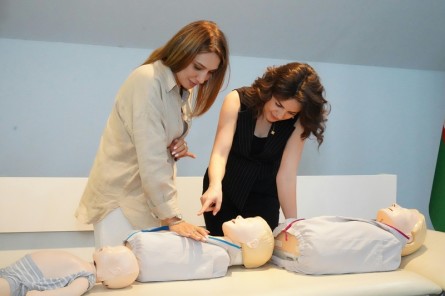
BLS certification requires demonstrating competency in CPR, AED use, and responding to airway or breathing emergencies. In some courses, this is done through hands-on skills testing, while others use megacodes to assess decision-making and correct application of BLS protocols.
Certification Validity Period
BLS certification is valid for two years from the date of issue. This timeframe ensures skills stay current and aligned with updated guidelines.
To maintain active certification, renewal must be completed before your current card expires. Renewal courses focus on refreshing skills and reviewing any guideline updates.
Employer or Regulatory Requirements
Some employers or licensing bodies have specific requirements regarding course format, certifying organization, or documentation. It’s always a good idea to confirm these expectations in advance to ensure your BLS certification meets all professional standards.
Tips to Finish Your BLS Course Efficiently
BLS classes are designed to be manageable, but a little preparation goes a long way. These simple tips can help you move through your training smoothly and avoid unnecessary delays.
- Prepare Before Class: Give yourself a head start by understanding what the course will cover and what’s expected during skills testing.
- Review Materials Early: If pre-course materials are provided, take time to review them in advance. Even a quick refresher on CPR steps, compression rates, and AED basics can make hands-on practice feel more intuitive.
- Practice CPR and AED Skills: Paying close attention during practice and using repetition to refine your technique helps reduce the chance of needing retesting.
- Choose an Accredited Provider: Make sure your course is offered by a recognized, accredited provider that follows current guidelines. This is necessary to make sure your certification is accepted by employers and avoid issues with verification or renewal later.
- Avoid Delays That Lead to Retesting: Arrive on time, dress comfortably for the hands-on practice, and stay engaged throughout the class.
Frequently Asked Questions
BLS renewal classes are typically shorter than initial certification, usually taking 2 to 3 hours. They focus on refreshing hands-on skills and reviewing any guideline updates rather than teaching concepts from scratch.
BLS is not designed to be difficult. It’s a skills-based course, not a memorization test. As long as you stay engaged, practice the hands-on components, and follow instructor guidance, most learners pass without issue.
The total hours vary by course format, but most BLS classes count for 3 to 5 hours of training. Renewal courses often count for fewer hours due to their focused scope.
Yes. Most BLS classes—both initial certification and renewals—are completed in a single day, with many providers offering same-day certification upon successful completion.
Online or blended BLS courses can reduce in-person time and offer more flexibility. However, hands-on skills testing is still required for certification, so total time depends on how quickly you complete the online portion and schedule your skills session.
BLS Training That Fits Your Schedule
With the right preparation and the right provider, BLS training is efficient, manageable, and absolutely achievable, even with a demanding schedule. Whether you’re earning certification for the first time or renewing, choosing the right course format can make all the difference.
If you’re ready to get started, Advanced Medical Certification offers a BLS certification course online that you can complete at your own pace, with required skills validation designed to meet professional and employer standards.