How Much Does BLS Certification Cost? CPR and BLS Class Pricing

Across the country, BLS courses range in price depending on format, provider, and what is included. Online programs, blended learning, and in-person classes all come with different structures and cost considerations. Renewal pricing also differs from initial certification.
Before you enroll, it helps to understand what affects pricing and what makes a certification truly worth it. Here is a clear breakdown of BLS certification costs and how to choose the right option for your career.
Thank you for taking the time to complete this form.
How Much Does BLS Certification Cost and Is It Worth It?
Across the United States, BLS certification typically ranges from about $40 to $150, depending on the format and the provider. Some fully online programs fall at the lower end of that range, while in-person or blended courses may cost more. The difference usually reflects how the course is delivered, what materials are included, and whether continuing education credits are offered.
A fully online BLS certification course is often more affordable because there are no classroom overhead costs or scheduled skills sessions. Blended programs, which combine online coursework with an in-person skills test, tend to sit in the middle. Traditional instructor-led classroom courses may be priced higher due to facility costs, equipment use, and live instruction time. In some cases, employer-sponsored training may reduce or eliminate out-of-pocket expenses altogether.
The particular certification provider can also be a factor, with courses that follow current ILCOR guidelines, offer nationally accepted credentials, and provide CME eligibility often costing more than basic programs that simply issue a printable certificate. That’s because there is a higher credibility and professional value attached to it.
It is also important to remember that after course completion, your BLS certification is valid for two years. That two-year cycle affects the long-term cost. Renewal courses are often slightly less expensive than initial certification, but maintaining your credentials is a recurring professional responsibility.
So is BLS certification worth it? For healthcare professionals and anyone responsible for patient care, the answer is yes. BLS training gives professionals the knowledge and preparation to respond to emergencies such as cardiac arrest, breathing emergencies, and situations where aperson may choke.
BLS Certification Pricing: What Does Certification Include?
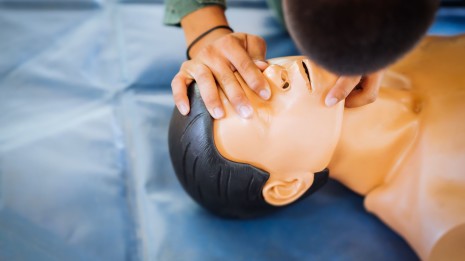
While costs vary by provider, most courses include structured training materials, an exam or assessment, and a two-year certification card upon successful completion. Depending on the BLS provider, a course may also cover CPR, AED use, airway management, and elements of first aid relevant to emergency response. Here’s what you can generally expect across different formats:
Average Cost for an Online BLS Certification Course
Fully online BLS certification courses typically range from $40 to $120. These programs allow you to complete the training at your own pace and receive a digital certification card upon passing the exam. Online courses often include video instruction, downloadable study materials, and practice exams.
Some lower-cost options may advertise very inexpensive certification, but it is important to confirm that the credential follows current ILCOR guidelines and is accepted by your employer. Online CPR certification offers flexibility and convenience, especially for busy healthcare professionals who need to complete training around demanding schedules.
BLS Course Pricing for Blended Learning
Blended learning programs usually fall between $60 and $150. This format combines online coursework with a scheduled in-person skills session. You complete the didactic portion at your convenience, then demonstrate CPR and AED skills with an instructor. Blended courses provide hands-on validation while still offering scheduling flexibility.
In-Person CPR and BLS Class Price Range
Traditional instructor-led BLS classes generally range from $70 to $150 or more, depending on location and provider. These courses are conducted in a classroom setting with live instruction and hands-on practice using CPR manikins and AED trainers. An in-person certification class may cost more because it includes facility use, equipment, and instructor time.
BLS Renewal Certification Cost Range
BLS renewal courses are typically slightly less expensive than initial certification and often range from $40 to $100. Renewal programs are designed for individuals who already hold a valid certification and need to update their knowledge and skills before expiration.
Renewal Cost vs Initial BLS Certification Cost
When you complete an initial BLS certification, you are building foundational knowledge. That requires comprehensive instruction, full skills review, and a complete assessment process. Renewal, on the other hand, assumes you already understand core concepts. It focuses on guideline updates, competency verification, and confirming that you are still prepared to respond effectively in an emergency. Because it is more streamlined and efficient, renewal typically costs less.
Here’s how the two compare:
Initial BLS Certification Cost
Initial BLS certification typically ranges from $70 to $150, depending on format and provider. This cost generally includes:
- Full course instruction covering CPR, AED use, airway management, and emergency algorithms
- Study materials and learning modules
- Hands-on or guided skills practice
- Final certification exam or skills test, depending on course format
- A two-year provider card
Renewal Certification Cost
BLS renewal courses are generally more affordable and often range from $40 to $100. Renewal focuses on:
- Reviewing updated ILCOR guidelines
- Reinforcing critical skills
- Completing a recertification assessment
- Issuing a new two-year certification
Because renewal candidates are already trained healthcare professionals, the process is more direct. The emphasis is on maintaining standards and confirming readiness rather than reteaching foundational material.
Renewal programs are intentionally designed to respect your experience. Many online renewal courses allow you to move through the material at your own pace, concentrating primarily on updated procedures and key clinical reminders.
Some platforms incorporate elements of computer-adaptive testing, which means the assessment adjusts based on your responses. That way, if you demonstrate a strong understanding early in the exam, you may complete the assessment by up to 50 percent compared to a full initial certification process.
Before You Enroll: What Affects the Cost of BLS Certification
Several clear factors influence what you will pay for a certification course. Understanding them helps you compare options intelligently and avoid surprises.
Training Format: The format you choose has the biggest impact on price. Fully online courses tend to cost less because they eliminate classroom overhead and instructor time. Blended and in-person formats are typically more expensive due to live instruction, facility use, and hands-on equipment.
Bundled Certification Programs: Many providers offer bundled packages that combine BLS with ACLS, PALS, or other certifications. While the upfront cost is higher, bundled programs often reduce the per-course price compared to purchasing each certification separately.
Location and Facility Costs: For in-person training, training centers in metropolitan areas may charge more due to higher operating costs. Facility rental, equipment maintenance, and instructor availability all factor into pricing.
Course Materials, Certification Card, and Exam Fees: Not all courses include the same materials, with some providers bundling study guides, practice exams, and certification cards into one fee. Others charge separately for printed cards, exam retakes, or supplemental materials.
Alignment With Current Resuscitation Guidelines: Courses built around current ILCOR standards and updated resuscitation science may cost more than programs that simply issue a certificate. The more robust the guidelines, the better your training reflects current best practices in emergency care.
Review by Medical and Academic Experts: Programs developed or reviewed by practicing physicians and accredited medical education providers often reflect higher quality standards. This expert oversight supports clinical accuracy and professional credibility, which can influence pricing.
Employer Reimbursement and Group Discounts: Many healthcare employers reimburse BLS certification costs, especially when it is a job requirement. Hospitals, clinics, and healthcare systems may also negotiate group rates with an approved BLS provider, so if you are certifying multiple team members, group pricing can significantly reduce the per-person cost.
Is BLS Certification Worth It for Healthcare Professionals and Non-Healthcare Workers
For most professionals, the answer is yes. When you spread the cost of BLS certification over its two-year validity period, the investment becomes relatively small compared to its employment value. For healthcare providers, it is often a condition of hire and continued clinical practice. Simply put, maintaining certification protects your role and preserves career mobility.
Putting aside the personal benefits for a moment, BLS certification strengthens your ability to prepare for and respond to emergencies. Meaning you will be trained to help those in need, whether you work in a hospital, clinic, school, fitness facility, or corporate setting. Learning high-quality CPR and how to respond during cardiac arrest is one of the most valuable things a medical professional can do.
For healthcare professionals, you also get the added benefit of garnering CEU or CME credits, allowing you to meet continuing education requirements while maintaining your certification. Depending on your role or workplace, pairing BLS with a CPR certification or first aid training may also help you meet broader emergency-based requirements.
Earn Your BLS Certification on Your Schedule
There will always be another shift. Another patient. Another unexpected moment when calm matters more than panic. BLS certification is not just a requirement you check off every two years. It is the quiet confidence and preparation that shows up in a patient’s most dire moments. And when you spread the cost over its two-year validity, it becomes one of the most practical professional investments you can make.
Whether you are earning your first certification or renewing to stay current, the right course should respect your time, support your career, and align with the latest evidence-based standards. Choose a program that aligns with current ILCOR guidelines, fits your schedule, and move forward knowing you are prepared for whatever comes next.
Frequently Asked Questions About BLS Certification Cost
In most cases, BLS certification involves a fee. However, there are situations where you may not need to pay out of pocket. Many hospitals and healthcare systems offer employer-sponsored training for their staff, especially when BLS certification is a job requirement. In these cases, the organization may cover the full cost or provide on-site training at no charge to employees.
Some providers also offer free trial courses that allow you to complete the educational portion at no cost. For example, AMC, in partnership with the Disque Foundation through Save a Life by AMC, offers a comprehensive free online BLS course. Learners can review the full training material and then choose whether to purchase an official BLS certification, recertification, or BLS For Life option.
Yes. Many providers offer fully online BLS certification. Online courses allow you to complete training modules and the certification exam at your own pace. Some employers may require a hands-on skills evaluation, so it is important to verify workplace requirements before enrolling.
Yes. BLS certification includes an assessment to confirm competency. The exam typically consists of multiple-choice questions covering CPR procedures, AED use, airway management, and emergency response protocols. Renewal exams are often shorter and focused on updates and retained knowledge.
Online BLS certification can typically be completed in one to three hours, depending on your experience and familiarity with the material. Renewal courses are often faster for experienced providers. Once completed, certification is valid for two years.
BLS renewal usually costs between $40 and $100, depending on the provider and format. Renewal courses focus on updated guidelines and competency verification, which makes them more streamlined and often less expensive than initial certification.
In-person BLS classes generally range from $70 to $150 or more, depending on your location and training center. Prices may be higher in metropolitan areas due to facility and instructor costs. Online certification offers a location-independent option that can reduce travel and scheduling constraints.