BLS vs. First Aid

If you’ve ever looked into First Aid or Basic Life Support (BLS) training and felt unsure which one you actually need, you’re not alone. Overlapping course names, online options, and inconsistent job requirements make it easy to feel like these certifications all blur together.
The confusion is understandable, with skills like CPR, choking relief, and emergency assessment appearing in multiple training programs. To someone outside the healthcare world, that overlap can make it seem like these certifications are interchangeable. In reality, they are designed for very different expectations and responsibilities.
Since most people just want to be prepared without wasting time or taking the wrong course, we’re here to help them understand the difference between BLS and First Aid.
What is Basic Life Support?
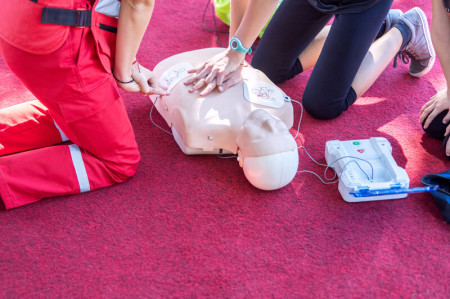
Basic Life Support is a professional-level emergency response certification that prepares healthcare professionals, first responders, and clinical staff to recognize and respond to cardiac arrest, respiratory arrest, and airway obstruction.
BLS assumes a higher level of accountability than first aid and is designed for environments where seconds always matter, like healthcare and public safety roles.
 What is First Aid?
First Aid focuses on immediate care to stabilize a person until additional help arrives. It’s often the first line of response when someone is injured or suddenly becomes ill, especially outside of clinical environments.
First Aid typically covers situations such as:
- Wound care and bleeding control
- Burns, sprains, and fractures
- Allergic reactions and medical emergencies
- Environmental injuries and sudden illness
The goal of First Aid is to buy time and prevent further medical complications, making it an essential skill set for workplaces, schools, community settings, and everyday life, where you might be responsible for the safety of others.
Differences Between BLS and First Aid in Emergency Response
While BLS and First Aid both prepare people to act in emergencies, they are designed for different types of situations and expectations. Understanding these differences is the best way to know which one is appropriate for you.
Scope of Care
First Aid: Focuses on managing injuries and sudden illness by stabilizing and providing practical care until additional help arrives.
BLS: Typically for healthcare providers, this centers on life-threatening, cardio-respiratory emergencies where immediate, structured intervention is required.
Level of Training and Skill Depth
First Aid: Emphasizes recognizing problems and responding appropriately. Training is designed to help individuals assess situations quickly and take safe, effective action.
BLS: Involves hands-on, performance-based skills for nurses, physicians, and EMTs. Training focuses on delivering a fast, coordinated response in high-pressure environments where patient outcomes depend on consistent execution.
Professional vs. General Use
First Aid: Intended for broad safety preparedness across workplaces, schools, communities, and everyday settings.
BLS: Designed for regulated, clinical, or emergency environments where professionals are expected to lead care and follow established response protocols.
Which Certification Should You Get: BLS vs. CPR and First Aid
Deciding whether or not you should pursue a Basic Life Support certification or learn First Aid is as simple as knowing it the training level matches the responsibility required by your role.
Core Skills in BLS
BLS is built for those who work jobs where life-threatening emergencies are a regular occurrence. The fundamental skills taught in a BLS course are:
- CPR and first aid for adults, children, and infants
- Proper AED use as part of an organized resuscitation effort
- Team-based emergency response, including communication and role coordination
- Airway and breathing support, such as rescue breathing and ventilation techniques
- Recognition and response to life-threatening emergencies, including cardiac and respiratory arrest
When to Choose BLS
BLS is the right choice if you:
- Work in healthcare or emergency response, including hospitals, clinics, EMS, or public safety roles
- Are a clinical student or healthcare professional preparing for patient-facing responsibilities
- Are required by an employer, licensing board, or regulatory body to hold this professional-level certification
Core Skills in First Aid
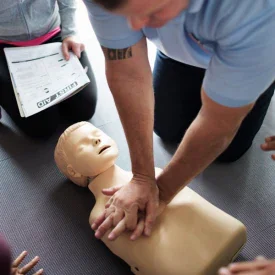
First Aid and CPR training focuses on immediate, practical care that helps stabilize a person and prevent a situation from worsening until additional help arrives. In a first aid course, you will learn:
- Immediate wound care, including cleaning and dressing injuries
- Bleeding control and basic injury management
- Stabilization of common injuries, such as sprains, burns, and fractures
- Responding to common emergencies, including allergic reactions and sudden illness
- Shock management and early response to medical events
When to Choose First Aid Certification
A First Aid certification is the right choice if you:
- Want general emergency preparedness for everyday situations
- Work in non-clinical environments, such as offices, schools, retail, or community organizations
- Are responsible for public or workplace safety, including teachers, coaches, supervisors, or caregivers
Why BLS and First Aid Are Often Confused
If BLS and First Aid have ever felt interchangeable, the confusion stems from the fact that there is some overlap in the skills they teach. Here are the most common reasons the line between BLS and First Aid can feel unclear.
CPR Appears in Both First Aid and BLS Training
CPR is taught in both first aid–based courses and BLS programs, which can make the certifications seem interchangeable at a glance. The difference is that in first aid training, CPR is often introduced as an essential life-saving skill anyone can use. In BLS training, CPR is taught as part of coordinated emergency care that often involves multiple responders, advanced decision-making, and strict adherence to medical protocols.
Online Certifications Can Blur Professional Boundaries
Because both first aid and BLS courses may be offered online, it’s easy to assume they serve the same purpose. In reality, the delivery format doesn’t define the certification level. The scope of care, depth of training, and intended professional use are what separate First Aid from BLS.
Job Postings Don’t Always Use Consistent Language
Many job descriptions list requirements like “CPR required” or “First Aid/BLS preferred” without clearly defining which certification is actually expected. In regulated or clinical environments, employers usually expect BLS even if the posting doesn’t spell it out clearly. In non-clinical roles, First Aid may be sufficient, but the language used doesn’t always make that distinction obvious.
Preparedness Starts With the Right Training
Just as important as choosing the right certification is choosing a training provider you can trust. Accredited, employer-accepted programs ensure your time and effort translate into credentials that are recognized when you need them.
At Advanced Medical Certification, we’re proud to offer:
- Accredited, nationally accepted training aligned with current ILCOR guidelines
- Flexible online learning designed for working professionals
- Instant proof of certification to keep you moving forward without delays
For those who need more than one certification, we also offer streamlined course bundles that make it easier to meet multiple requirements in a single, efficient path.
Ready to get started? Learn more about our online BLS and first aid training courses.